


The worst part is not knowing whether you are waiting or already gone.
You had the final round. You met the team. The conversation felt real. Someone said next steps. Maybe the hiring manager smiled in the way people smile when they know they are not supposed to make promises.
Then the company goes quiet.
Day three feels normal. Day seven feels tactical. Day ten starts to feel like a diagnosis. By day fourteen, every inbox refresh becomes a tiny courtroom where you prosecute your own interview performance.
The timeline of their decision is not the same thing as the quality of your interview.
That distinction matters because silence makes candidates invent meaning. You replay one answer. You decide your thank-you note was too short. You read the recruiter's punctuation like weather. The human brain hates unresolved status, so it creates a story even when the company has not created a decision.
There are real rejection silences. Of course there are. But after a final round, the delay often comes from forces that are boring, political, and completely hidden from the candidate side.
The Hidden Machine Behind The Wait
Cause 01
The role is waiting for permission to exist.
This is the most maddening version because the interviews may have gone well. The hiring manager may want you. The team may have agreed that you can do the work. Then the process hits finance, planning, or an org-chart reality that no one mentioned during the loop.
Sometimes the job posting was opened conditionally. Sometimes the seat depends on a budget transfer. Sometimes a director has to approve the hire because the team is already over its target. None of that is your fault, but all of it can land in your inbox as silence.

Cause 02
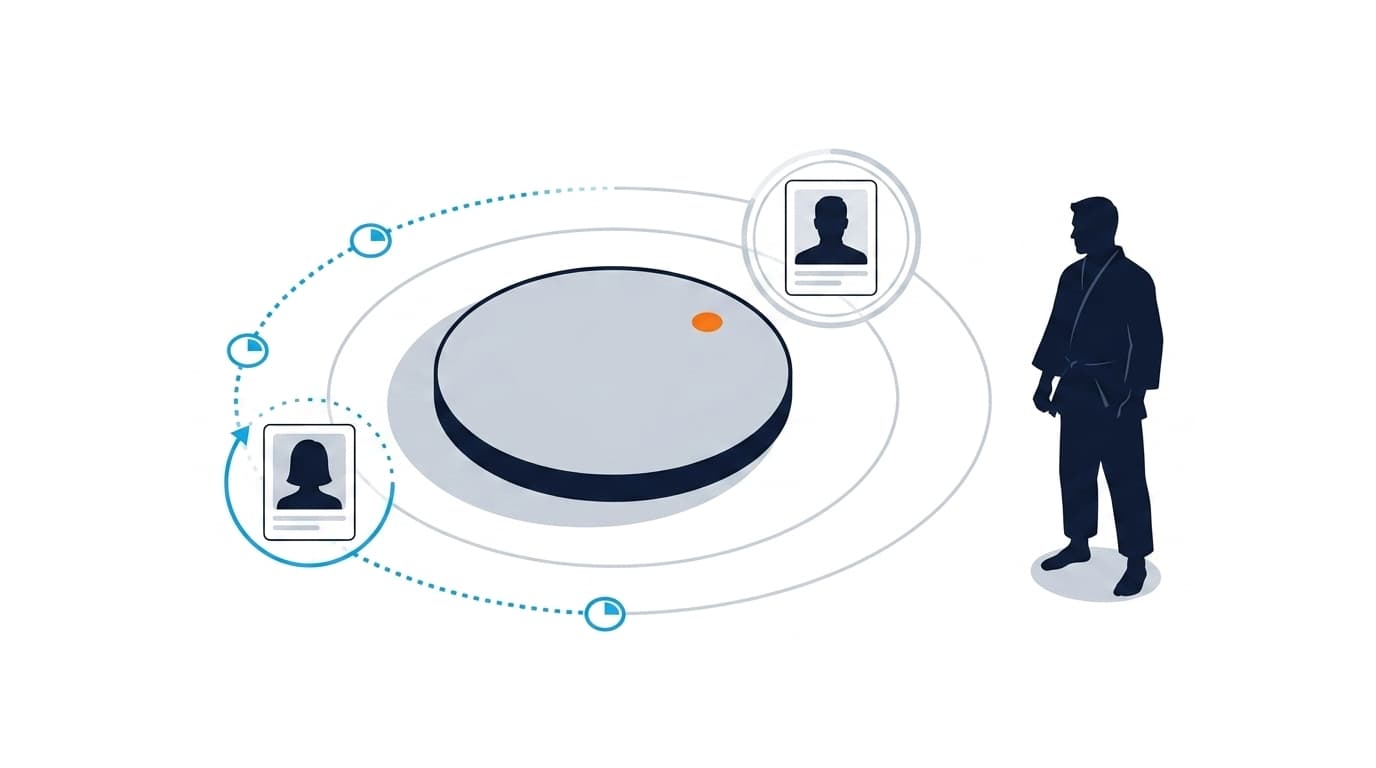
You finished first, but the loop did not.
Companies do not like telling candidates that another person is still interviewing. It makes the process feel transactional because the process is transactional. You may be strong. You may even be the current favorite. But if another final round is already on the calendar, the team may wait to compare.
That does not mean you are the backup. It means the company is preserving optionality. From the candidate side, optionality feels like a vacuum.
Cause 03
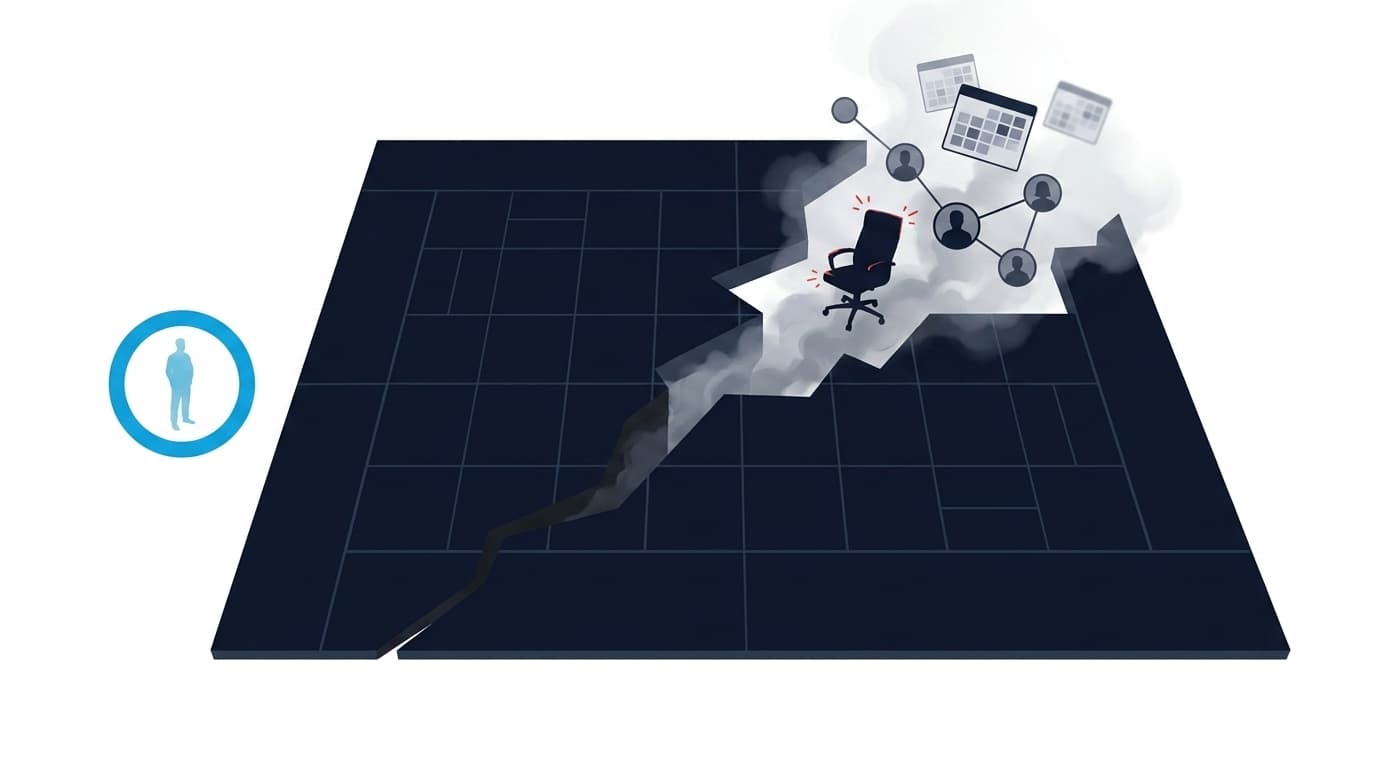
The team is in a mess upstream of you.
A manager leaves. A reorg starts. A new VP pauses all open reqs. The team decides the role needs to be leveled differently. The business asks whether the work should move to another group. None of this shows up in the candidate portal.
You experience the delay as personal because the process is attached to your life. Internally, you may be one unresolved row in a spreadsheet no one wants to update yet.
Move
Follow up with cadence, then keep the search moving.
Send one short follow-up around day 7 to 10. Make it easy to answer: ask about next steps, offer to clarify anything, and stop there. Do not apologize for following up. Do not rewrite your pitch. Do not add four paragraphs of nervous proof.
If there is still nothing, send one more check around day 21. After that, mentally release the process without deleting it from your map. Late offers happen. They are not common enough to wait your life around, and not rare enough to assume silence is always death.

Where JobsJudo Fits
JobsJudo does not pretend it can force a recruiter to answer. That would be the wrong promise. The leverage is elsewhere: keep your search from becoming emotionally dependent on one opaque process.
Applications and outcome tracking give the silence a place to live. Market pages and company freshness help you keep finding roles while one company waits on approvals. Match Score and Score Breakdown help you decide whether the next role deserves serious effort or should stay in the background.
The candidate move is not to become numb. The move is to build a search where silence is one status among many, not the whole room.
Follow up cleanly. Track the process. Keep your market moving.